
Solar Power: Source of Renewable and Sustainable Energy in India
India is a tropical country that averages 300-330 sunny days out of 365 (source). So, the sun and sunlight are our constant companions throughout the year, making it a primary resource for creating renewable and sustainable energy in India.
Yet, installing a solar system takes considerable investment. To spread the use of solar power and reduce the dependence on coal and fossil fuels, the government of India has devised many policies and subsidies to boost the use of solar panels. The government has also enacted rules and regulations to ensure the safe production of solar energy production equipment. With the support for producing and installing solar energy, India is among the top 5 countries adopting solar energy in their daily life. Furthermore, 40.1% of the renewable energy production installed in India is solar energy (source).
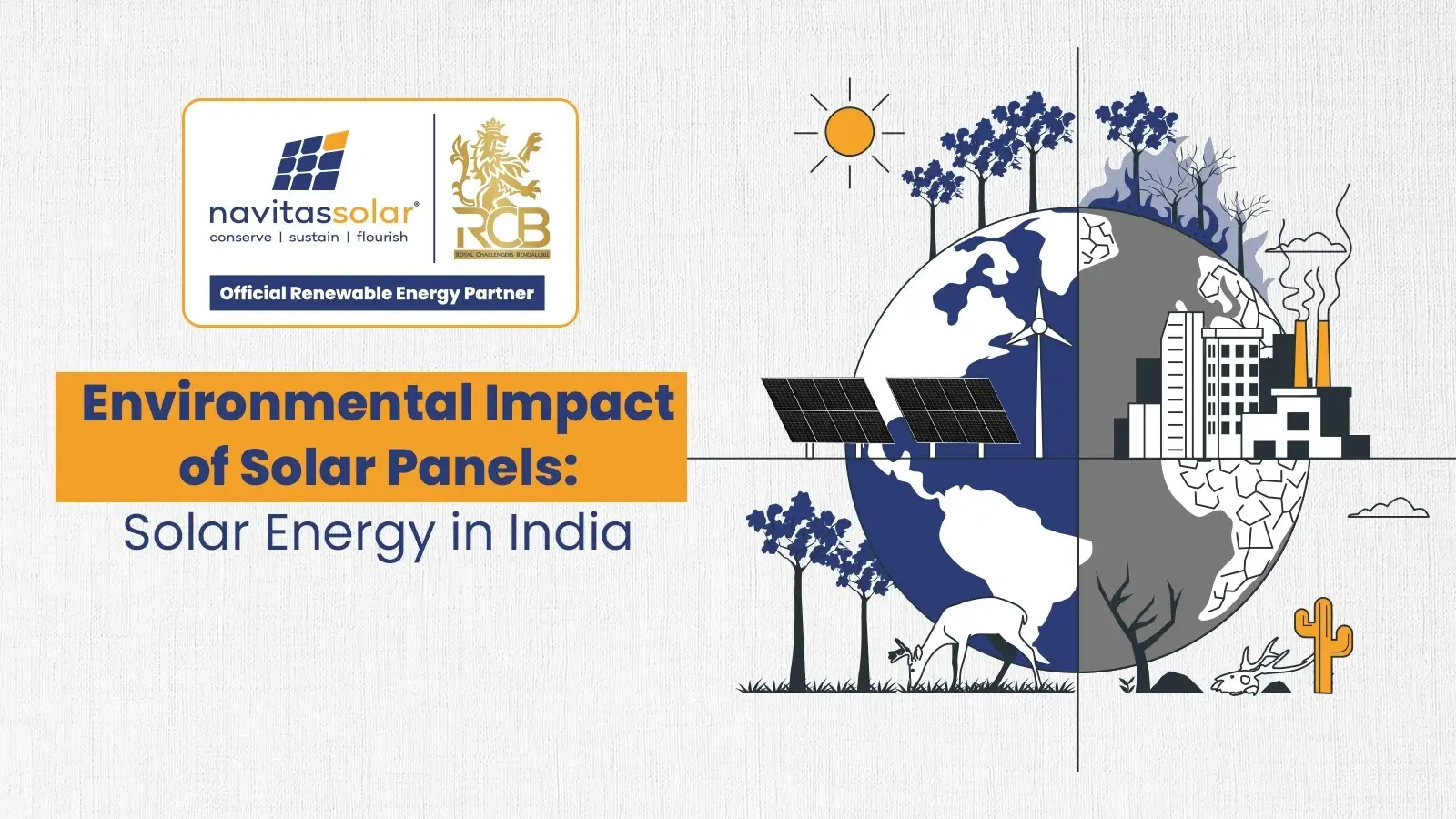
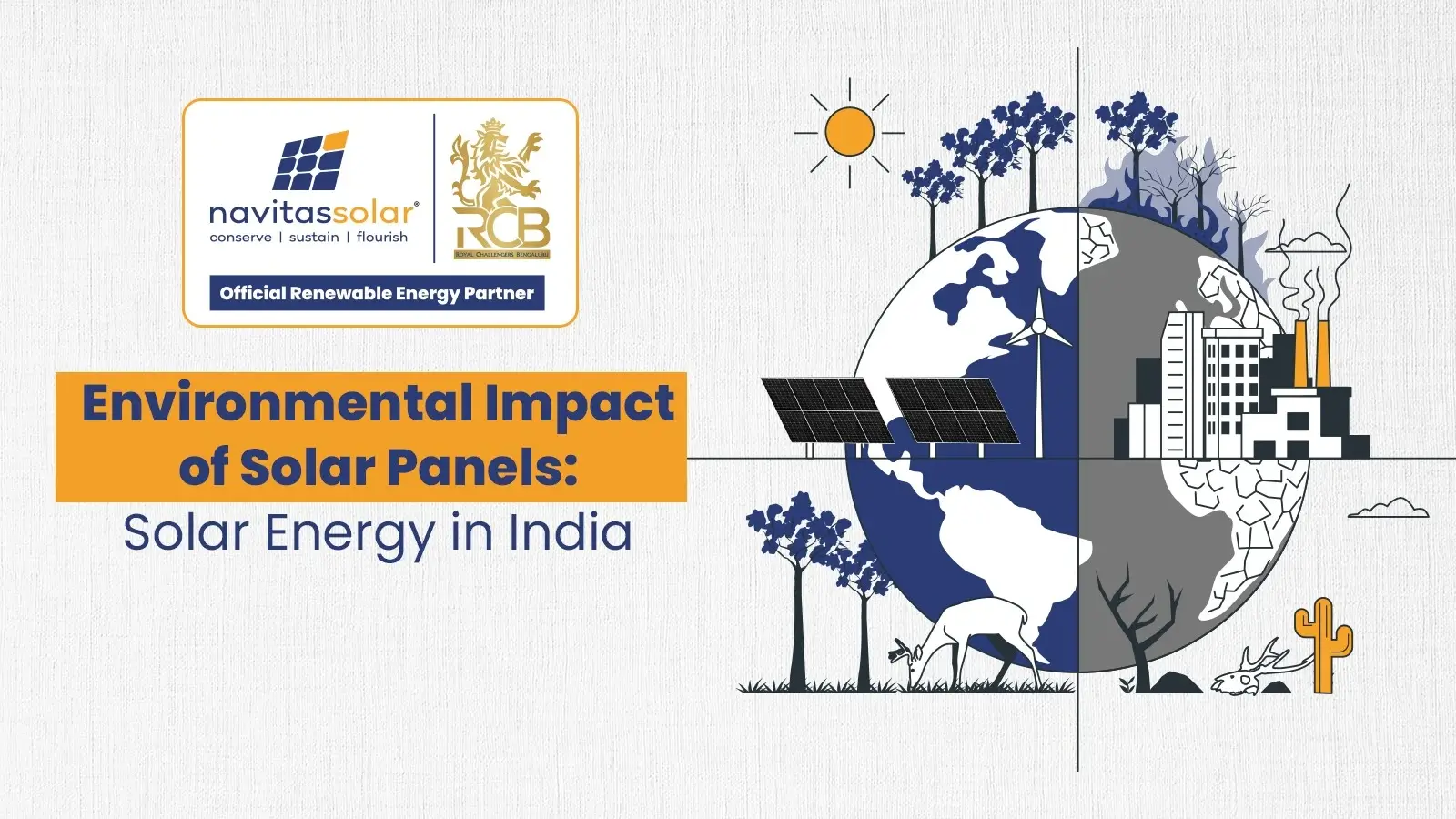
The adoption of solar or renewable energy in India impacts the consumption of scarce natural resources. It has positively impacted how we have reserved our natural resources and reduced the harm caused by our regular energy production process. Let’s look at the environmental impact of solar energy in India.
What is the Environmental Impact of Solar Energy in India?
Solar energy saves not only natural resources but also nature itself. Following are the impacts of adopting sunlight as a renewable and sustainable energy source.
Save scarce natural resources.
Traditionally, electricity production depends on one-time use resources like coal, oil, and gas derived from fossil fuels. Once used, they get converted into carbon dioxide and other chemicals. Due to the steady increase in population and technological advances, there has been an exponential increase in demand for such natural resources for electricity production.
The increasing electricity demand has made natural resources scarce. However, abundant sunlight provides an alternative for electricity production. We can save scarce resources by switching to sunlight and allocating them for better use.
Reduce emission of harmful gases.
The traditional procedure of electricity production has many by-products and harmful emissions of gases. These gases cause pollution, and too much of them can be toxic to us and nature. However, solar panel production has a minimal amount of waste and emissions. Additionally, solar panels emit little to no harmful emissions when converting solar energy into electric energy. The 25-30-year lifespan of solar panels reduces the effect of the little waste produced during production.
Reduced air pollution with solar panel
Traditional electricity production results in the emission of many harmful gases into the environment. Although there are strict rules on the quantity of their emission, the air still gets polluted with toxic elements. It reflects on the health of people near the power plant and even in the cities. Therefore, government-supported solar panel manufacturing plants produce no harmful toxic air and keep the air pure. Thus significantly reducing the detrimental impact of renewable and sustainable energy production plants.
Decrease in harmful industrial waste.
The traditional electricity production process includes a lot of mining, cleaning, and burning of resources. These processes produce toxic industrial waste in the form of used raw materials, by-products, or used equipment. They are often dumped in the environment and cause harm. However, the process of producing solar energy in India is generating less waste and by-products. Additionally, the small waste from the production process gets recovered with the long shelf life of the solar panels.
- Saving water resources from contamination
Water is one of the most used resources in any production, especially electricity. The water is dumped straight into the rivers or other water bodies. Although more precautions are being taken while disposing of the contaminated water, often it is impossible to avoid the harm. On the other hand, solar panel production or PV cell production requires little water, and the industry has strict rules regarding the cleaning and disposal of the water.
Additionally, some water is needed to cool down the system during the active use of solar panels. However, the solar panel does not contaminate it to make it harmful. You can easily remove the water and dump it somewhere.
Conclusion
The traditional production of electricity includes:
- Mining of natural resources like fossil fuels.
- Cleaning with water.
- Burning or compressing the resources.
All the processes use and contaminate natural resources like air and water. With the increase in demand, natural resources become scarce. Therefore, solar energy in India has emerged as a reliable option for renewable and sustainable energy production for electricity. The sunlight is available in abundance; thus, it helps save scarce natural resources.
Additionally, solar energy adoption has many positive environmental impacts. It includes reduced emissions of harmful gases and lower water and air contamination. The little waste produced during the production becomes negligible as the solar panel life cycle is about 25-30 years. Therefore, more people are adopting solar energy in India. Government policies and subsidies reduce installation costs, making solar panels more lucrative. If you want to know more about the benefits of installing solar panels, you can contact us; executives at Navitas Solar are eager to help you!